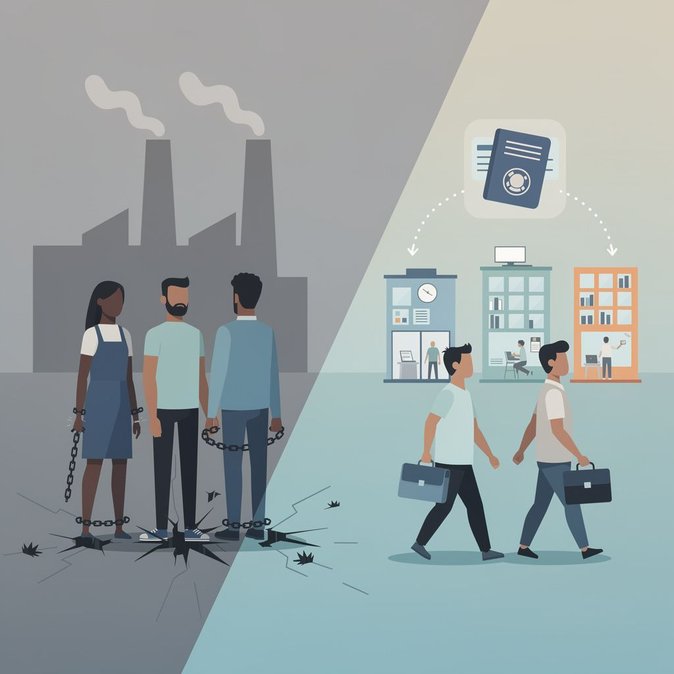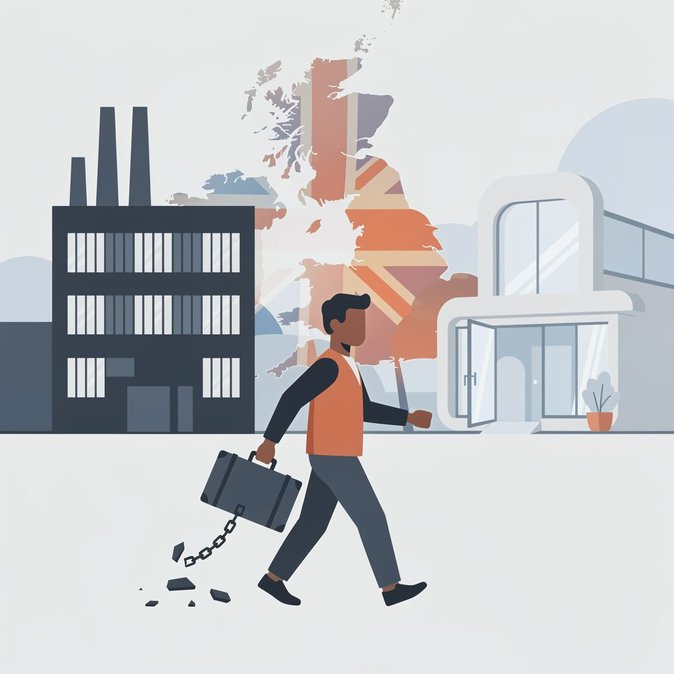
The Home Office has enacted a major change to the Skilled Worker route that takes effect from 9 October 2026. Under the amendment, migrant workers who are formally recognised as victims of modern slavery are no longer tied to the organisation that originally sponsored their visa. Instead, they may take up employment with **any licensed sponsor for the remainder of their permission** without first having to make a fresh immigration application. Until now, Sponsored Workers – including many care-sector recruits – faced an impossible choice: stay with an abusive sponsor or leave and fall into immigration breach, instantly losing their income and access to services. Anti-slavery NGOs have long argued that the rule effectively trapped vulnerable people in exploitation. The Independent Anti-Slavery Commissioner, Eleanor Lyons, welcomed the reform, saying it “removes a significant barrier that can keep people trapped in abuse.” Practically, the new freedom of movement will be triggered as soon as the Home Office’s Single Competent Authority issues a positive “conclusive grounds” decision under the National Referral Mechanism. No further fee is payable and the worker’s visa expiry date is unchanged. Employers that have their sponsor licence revoked for exploitation can expect criminal referral; more than 6,600 licences have already been stripped since 2024, with 4,400 revocations in the year to June 2026 alone. Businesses that rely on sponsored labour should take note of two operational implications: 1. HR teams must be ready for sudden resignations by protected workers; maintaining head-count may require over-recruiting or contingency planning. 2. Compliance departments should tighten whistle-blowing procedures and audit supply chains; a single finding of worker abuse can now trigger both licence revocation and rapid loss of staff to competitors. For global-mobility managers the message is clear: treat sponsored employees ethically, keep records impeccable, and review vendor due-diligence processes. Victims now have an exit door—and they are likely to use it.
Source: Home Office (GOV.UK)