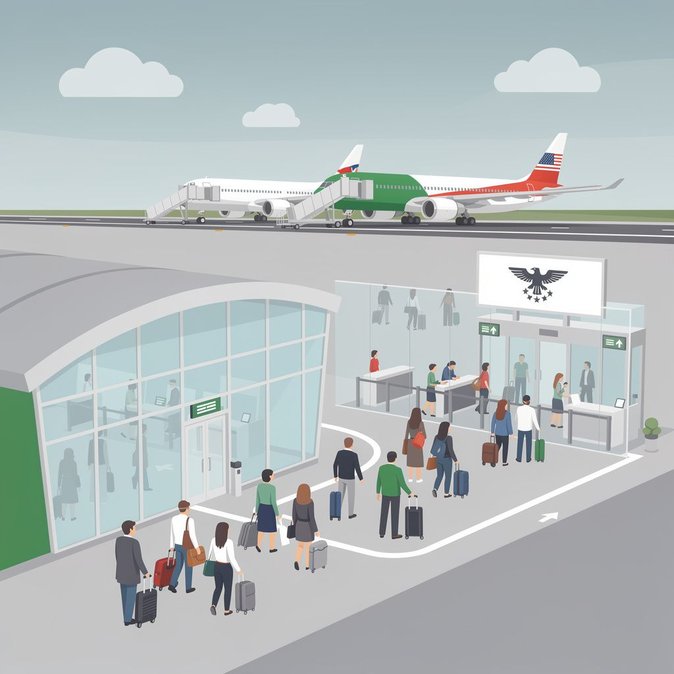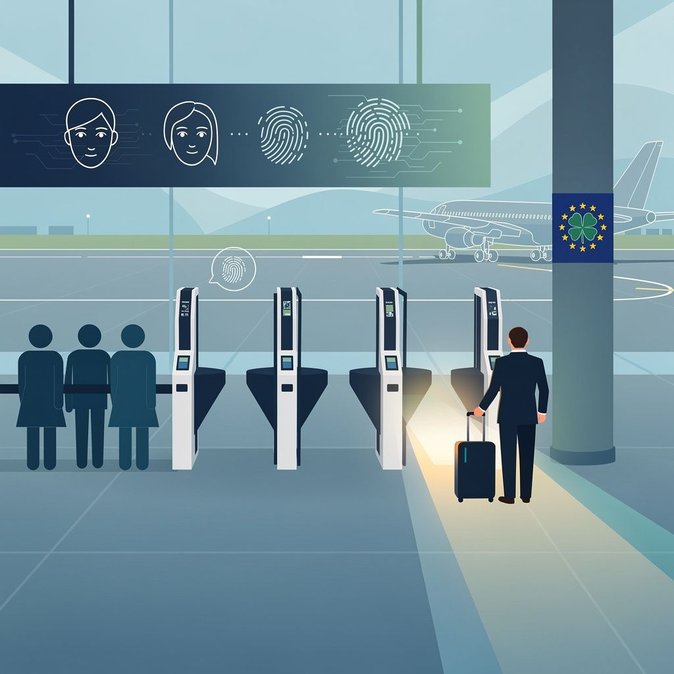
Speaking at Skift’s Transatlantic Summit in Dublin on 15 October, Maja Bakran Marcich—deputy director-general for mobility and transport at the European Commission—acknowledged that airports across Europe, including Dublin Airport, are still grappling with long queues at passport control six months after the EU’s new biometric Entry/Exit System (EES) became mandatory for non-EU travellers. Since April 2026, every third-country national entering the Schengen Area must submit four fingerprints and a facial scan that are stored for five years. While the system strengthens security and helps enforce over-stay rules, processing each passenger now takes two-to-three times longer than a manual passport stamp. Ireland is not in Schengen, but Dublin Airport handles millions of transfer passengers who continue their journeys into the Schengen zone; once they deplane, congestion in the common-travel lounges quickly spills back into Irish departure gates. Bakran Marcich told delegates that the Commission is "looking at calibrated derogations" that would let border agencies temporarily revert to risk-based spot checks when wait times exceed agreed thresholds. A similar waiver ran from April to September but was allowed to lapse, prompting an urgent joint letter from Airports Council International (Europe) and Airlines for Europe last week. The official confirmed that Brussels is drafting guidelines so that airports can again deploy the waiver during peak periods without having to seek case-by-case permission. For Irish carriers and multinationals that rely on tight connections at Dublin, the prospect of renewed flexibility is significant. Aer Lingus reports that missed onward flights have generated more than €2 million in re-accommodation costs since Easter; US tech firms with European headquarters in Dublin say executives are padding itineraries by up to six hours. A permanent adjustment could restore confidence ahead of the Christmas rush and before the Entry/Exit grace period for coach and ferry terminals expires next spring. Industry stakeholders nevertheless warn that flexibility is only a stop-gap. They are urging the Commission to accelerate deployment of self-service biometric kiosks and to underwrite additional staffing at under-resourced airports. The Department of Transport is already reviewing whether Irish legislation will need amendment once the companion ETIAS travel authorisation finally goes live, now expected no earlier than 2027.
Source: Skift