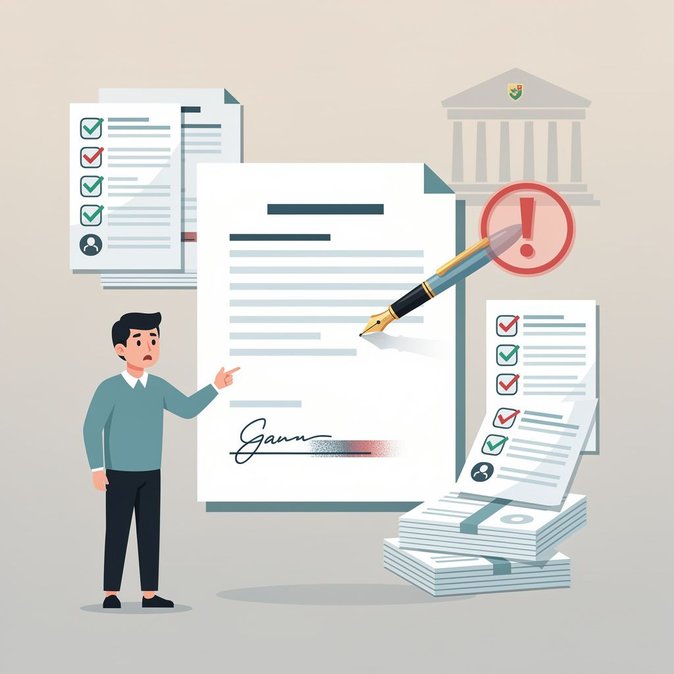
USCIS on 12 June published an Interim Final Rule adding a new signature-verification requirement to 8 CFR §103.2. Petitions and applications must now contain “original, valid signatures” from the authorized party in the correct location; submissions lacking proper dating or signed by an unauthorized agent will be rejected outright—even if the error is discovered after approval. The rule is aimed at curbing fraud that USCIS says has spiked since remote work normalized digital document routing. Immigration lawyers, however, warn that legitimate filings could be denied for minor clerical mistakes, forcing employers to refile and potentially lose work-authorization continuity. Companies should review internal workflows: wet-ink signatures may once again be safer than DocuSign unless the platform records a verifiable IP-address audit trail. Large mobility programs are updating checklists to ensure HR signatories, corporate officers and outside counsel align on who signs what—and in what color ink—before overnighting packages to lockbox facilities. The agency is accepting public comments for 60 days but made the rule effective immediately under the “good cause” exception. Expect a surge of Requests for Evidence (RFEs) citing signature defects over the summer as adjudicators apply the stricter standard.
Source: NPZ Law Group