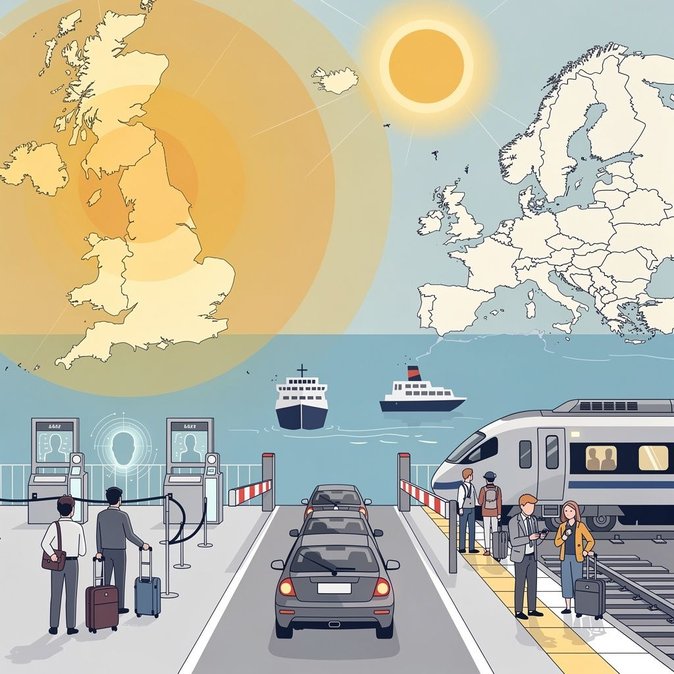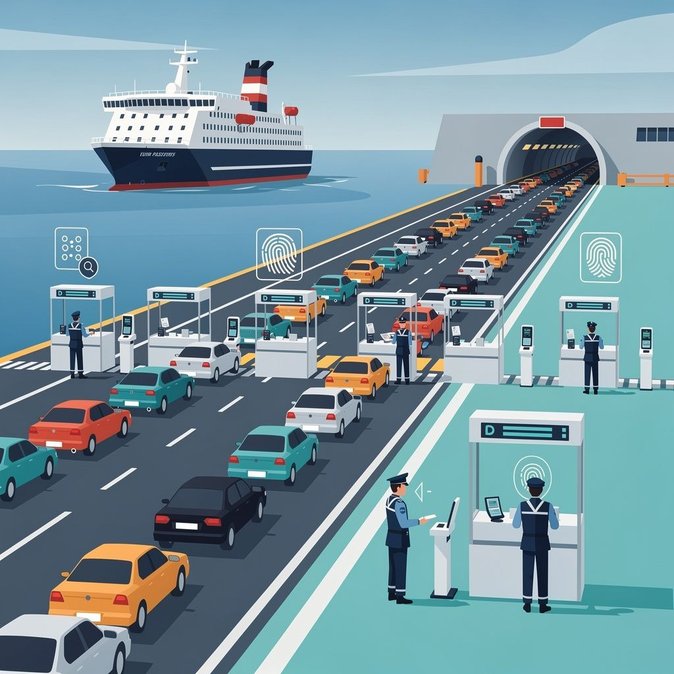
The Port of Dover entered crisis mode over the weekend after miles-long tailbacks on the A20 and M2 left motorists waiting up to six hours to reach French frontier controls. The port’s ‘critical incident’ declaration—issued late on Friday and still in force on Sunday, 26 July 2026—follows a surge in getaway traffic on the first weekend of English school holidays and what port officials describe as an ‘insufficient deployment’ of French Police aux Frontières officers. Operation Brock, the contraflow system designed to stack freight on the M20, was swiftly extended, but private cars carrying holiday-makers and commercial vehicles carrying just-in-time goods quickly overwhelmed holding areas. Ferry operators P&O and DFDS warned passengers to bring food and water, while AA traffic analysts predicted that each subsequent Friday and Saturday until early September could see similar gridlock unless staffing and technology issues on the French side are resolved. French authorities blamed an “unforeseeable technical incident” in the Channel Tunnel for delaying staff shift-changes, a claim Eurotunnel rejected. UK ministers, facing mounting political pressure, said they were pressing Paris to honour bilateral agreements guaranteeing adequate frontier capacity. Behind the scenes, Whitehall officials acknowledge that the EU’s new biometric Entry/Exit System (EES), which has suffered repeated software glitches since going live in April, is compounding manual-passport checks for British nationals post-Brexit. The disruption has direct implications for British exporters: logistics trade body Logistics UK estimates that each additional hour spent in queues costs hauliers £50 in fuel and staffing. Perishable food consignments bound for supermarkets in northern France and the Benelux countries were rerouted via the longer Harwich–Hook of Holland and Portsmouth–Caen crossings, adding 120 km and up to 18 hours to delivery schedules. Travel-risk advisers recommend that multinationals relocating staff or sending technicians to continental Europe shift departures to mid-week sailings or the overnight Eurotunnel shuttle where possible, and build contingency inventory on the near continent. Both UK and French governments will review the weekend’s performance at a joint committee meeting on 29 July; port authorities are seeking permission to expand border-control booth capacity before the August bank-holiday rush. If long-promised EES improvements fail to materialise, industry groups warn that Dover’s bottleneck could become a semi-permanent feature of post-Brexit mobility—an outcome with wide-ranging consequences for UK supply chains and the attractiveness of cross-Channel assignments for internationally mobile staff.
Source: London Daily