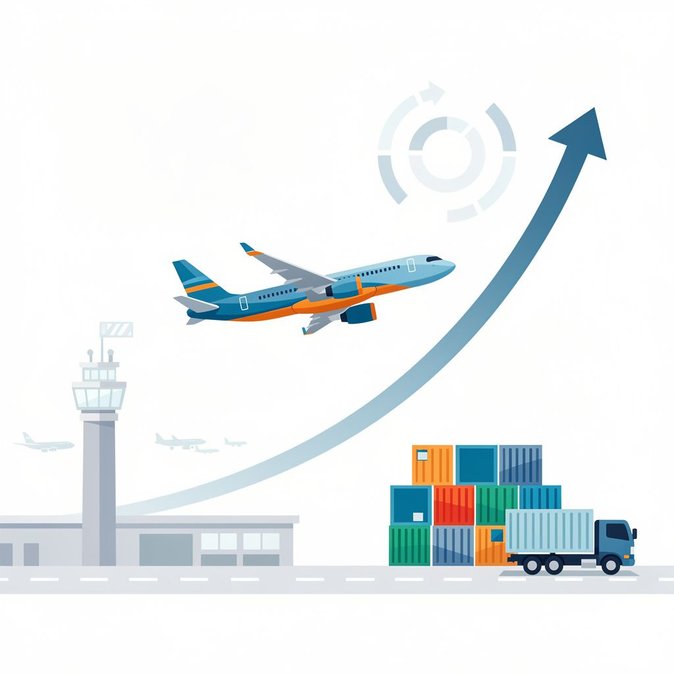
Speaking to journalists at ATM, flydubai chief executive Ghaith Al Ghaith predicted the carrier will restore—and slightly exceed—its 2019 seat capacity by December 2026 as 11 new Boeing 737 MAX aircraft join the fleet. Al Ghaith dismissed suggestions that the regional conflict had permanently dented growth targets, noting that demand on many routes, including Bangkok and newly launched Pokhara, is already back to pre-war levels. The bigger drag, he argued, is lingering ‘reconsider travel’ advisories from some Western governments, which depress booking confidence even when operational risk is manageable. Operationally, the airline will launch a dedicated narrow-body cargo division on 1 October, giving corporate shippers a new point-to-point option within its 130-strong network. In the medium term, flydubai still plans to split operations between the saturated Dubai International and the under-construction Al Maktoum International, where it is already building maintenance facilities. For mobility planners the message is that seat availability—and therefore pricing leverage—should improve on key corporate routes as aircraft deliveries accelerate. However, HR and security teams should continue to monitor travel advisories that could trigger last-minute policy changes or employee reluctance. Al Ghaith’s bullish outlook contrasts with some full-service peers but reflects Dubai’s strategy of using aggressive capacity growth to capture pent-up traffic once geopolitical clouds clear.
Source: Khaleej Times